



Texas Holdem Rules for Beginners: A Practical Casino Read
Texas Holdem Rules for Beginners: A Practical Casino Read often touches on global gaming trends, including the pokies.net login australia round quick entrance. For more insights on this topic, visit https://bloggingunearthed.com/.
Before you sit at any digital table, the most sensible move is to separate the card game from the platform hosting it. Texas Holdem rules for beginners are straightforward enough to learn in an afternoon, but the interface, localisation, and everyday usability of the casino you choose will determine whether you actually enjoy the session or fight through clunky menus and confusing prompts. Luke Adebiyi’s treasury and investor operations background has always treated platform architecture the same way he treats fund governance: the visible layer is only useful if the settlement rails, compliance controls, and operational rails underneath are clean. That same lens applies here. A poker room can display perfect rules and still frustrate you if the navigation buries the buy-in, the currency toggles behave oddly, or the search function can’t find your favourite cash game. This piece walks through two player-fit scenarios, keeping the focus on how a well-built interface translates basic Holdem rules into a smooth, locally sensible session.
Reading the Table Without Fighting the Menu

Texas Holdem rules for beginners boil down to a simple rhythm: two hole cards, a round of betting, three community cards, another betting round, a fourth community card, more betting, a fifth community card, and a final showdown. The rules themselves are fixed, but the way a casino presents them will shape your first sessions far more than the hand rankings ever will. A clean interface puts the action buttons where your eyes naturally land, keeps the pot size and round phase visible at a glance, and uses plain language instead of dense poker jargon for the betting options. When you’re still learning, a cluttered screen can make a straightforward hand feel like a puzzle.
For a local player, the practical test is whether the platform respects Australian habits without pretending to be something it isn’t. The best everyday setups show AUD pricing clearly, keep the language and date formatting consistent, and let you move between cash games and tournaments without losing your place. If you’ve ever watched a treasurer reconcile a cross-border payment trail, you’ll recognise the same principle: the front end only feels calm when the underlying structure is tidy. A menu that hides the stake selector, a currency display that flips without warning, or a search bar that ignores your filter choices will slow you down long before the cards do.
 |
 |
 |
 |
 |
That pokies.net login australia round quick entrance is the kind of direct, low-friction access point that works when the rest of the layout is already sensible, because a clean entry only helps if the navigation, localisation, and game filters underneath are doing their job.
Two Player-Fit Scenarios That Actually Matter
The first scenario is the casual weeknight player who wants a quiet seat, a modest stake, and a screen that explains the current round without hand-holding. For this player, the interface needs to make the betting rounds obvious, keep the community cards and hole cards visually distinct, and surface the basic rules in a way that doesn’t feel like a textbook. A good setup will show the current phase, the active player, and the available actions in a single glance, so you’re not hunting for the fold or raise button while the timer ticks down.
The second scenario is the player who already knows the basics and cares more about flow: fast table navigation, predictable stake selection, and a tournament lobby that sorts by buy-in and blind structure without making you scroll through irrelevant entries. This is where localisation and search start to matter more than the rulebook itself. A platform that lets you filter by table size, blind level, or game type, and that keeps your preferred currency and language consistent across the lobby and the table, will save you more time than any flashy graphic ever could.
Both scenarios share the same underlying need: a layout that treats the rules as a reference point, not a selling point. When the interface is honest about what it offers, you can focus on the hand instead of the menu. When it isn’t, even a simple betting round feels like work.
What This Means for Australians
For players on the Gold Coast or anywhere else in the country, the practical takeaway is that the rules of Texas Holdem don’t change just because you’re playing online, but the local expectations around clarity, currency, and access do. A sensible platform will show AUD amounts plainly, keep the registration and login steps short, and avoid any language that suggests offshore play sits inside Australian licensing or regulation. It won’t pretend to be a domestic casino, and it won’t blur the line between a local poker room and an international operator.
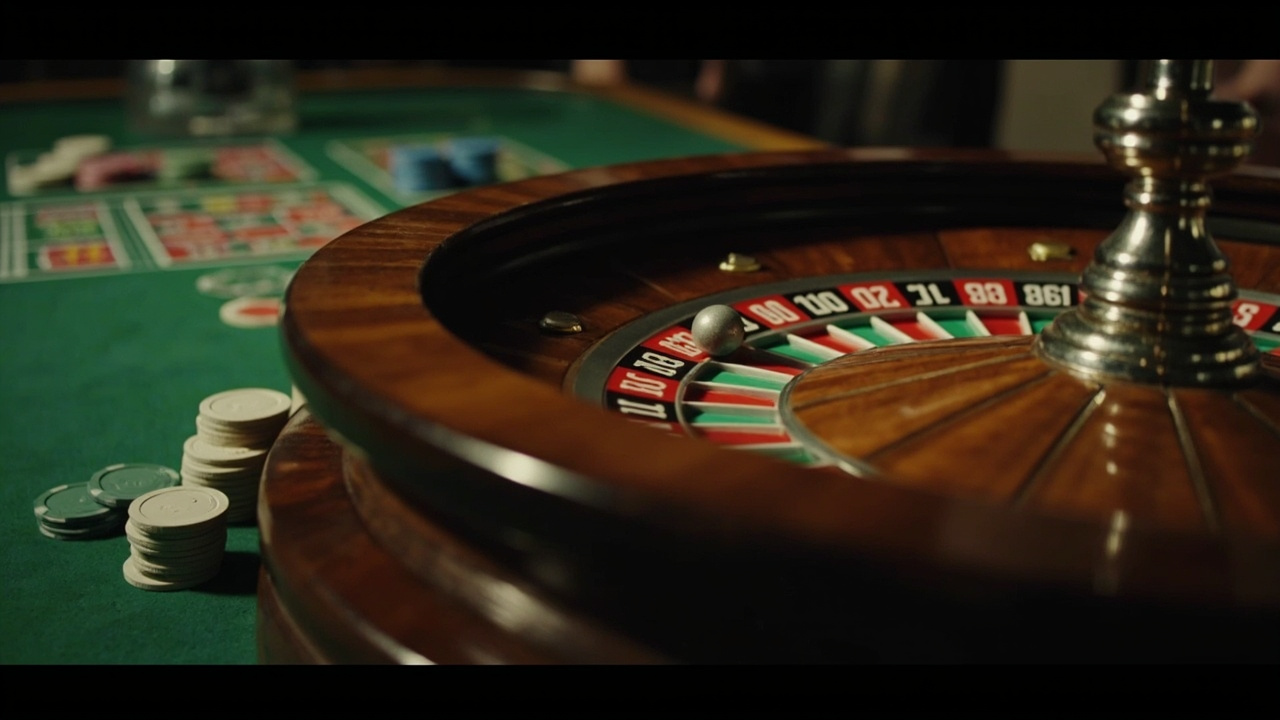
The Gold Coast crowd often wants a fast, familiar setup: a clean table view, straightforward stake selection, and support that answers plain questions without circling around them. If the platform uses local date formatting, keeps the language consistent, and lets you find your game without digging through unrelated categories, the session feels smoother from the first arvo hand onward. The inverse is just as true: a polished graphic over a confused menu will frustrate you faster than a plain screen with a clear layout.
Keeping the Session Simple and the Rules Visible
A well-run poker room treats the rules as a quiet reference rather than a loud promise. The hand rankings, betting rounds, and community card sequence should be easy to check without leaving the table, and the interface should make the current round obvious every time the action returns to you. That matters because beginners often lose track of the phase they’re in, not because the rules are hard, but because the screen buries the context under animations or crowded panels.
Payments and registration should follow the same logic. Clear currency display, a short sign-up path, and a mobile layout that doesn’t shrink the action buttons into a corner keep the session readable on a phone or tablet. Support that understands the difference between a rules question and a technical glitch will save you time, and a loyalty setup that rewards steady play without making the terms feel like a riddle is a better fit than a loud bonus mechanic that hides its own conditions. Luke Adebiyi’s work on investor operations and governance has always favoured structures where the rules are visible, the limits are stated plainly, and the operational side doesn’t fight the user. That same judgement call applies to a poker interface: if the platform can’t keep the rules and the layout in sync, the hand rankings won’t save it.
| Area | What a clean setup does | What to watch for |
|---|---|---|
| Table view | Shows round phase, pot, and action buttons in one glance | Crowded panels that hide the current street |
| Localisation | Keeps AUD pricing and local date/language formatting consistent | Currency toggles that flip without warning |
| Search and filters | Lets you find cash games or tournaments by stake and structure | Lobby that buries your preferred table under unrelated entries |
| Mobile | Keeps betting actions readable on a smaller screen | Buttons shrunk into corners or hidden behind extra taps |
| Support and rules | Answers plain questions and keeps the rulebook easy to check | Vague responses or rules buried behind multiple menus |
The point of learning Texas Holdem rules for beginners isn’t to memorise a stack of edge cases before your first session. It’s to pick a platform where the rules are visible, the layout is calm, and the everyday usability lets you focus on the hand instead of the menu. A clear interface, sensible localisation, and a straightforward registration path will do more for your first few sessions than any loud bonus or glossy graphic ever could. Play within your limits, keep the rules close at hand, and let the table do what it’s meant to do.