
Most serious poker players know that raw instinct only carries you so far before the numbers start telling a different story. A poker odds calculator online gives you a clean way to check hand strength, equity, and implied calls without slowing the table down. For Australians playing over the internet, the real test is whether that tool fits into a lobby you can actually navigate, a bonus you can convert, and a session that respects your bankroll. This walkthrough follows the path from lobby entry to the moment you actually use the calculator at a live or digital table.
Reading the lobby before you open a single hand
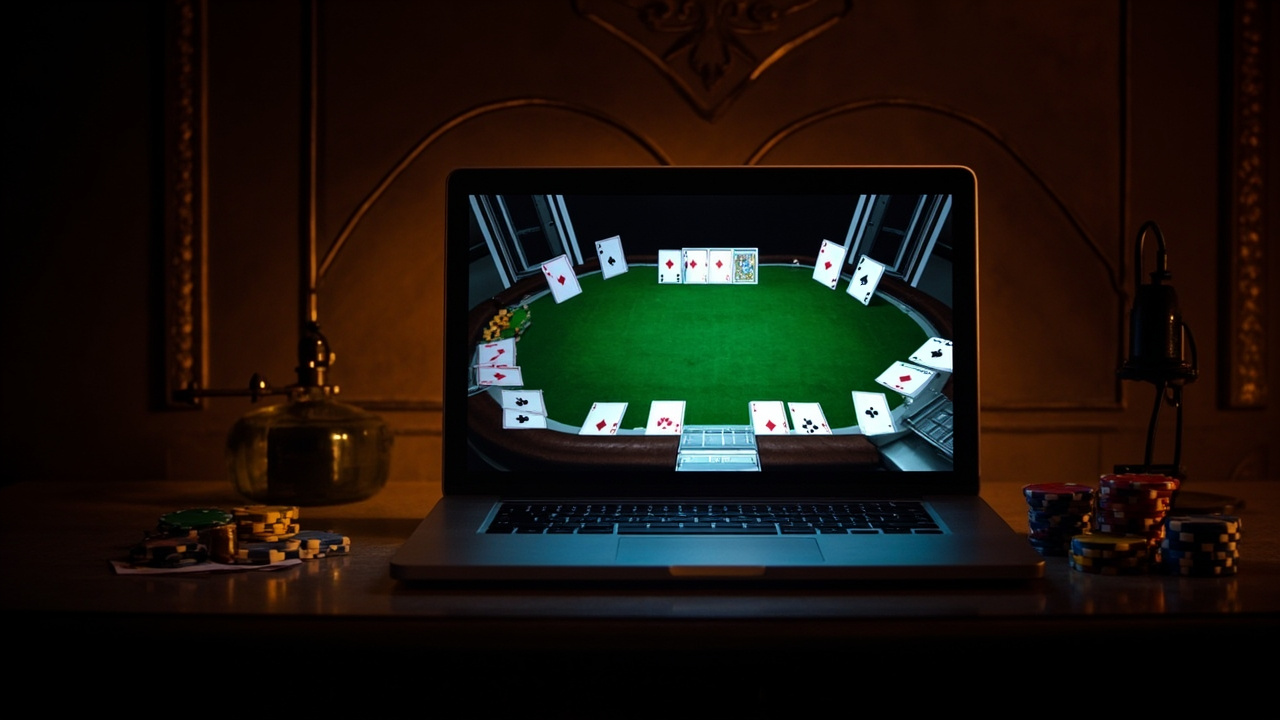
A well organised lobby makes the difference between a focused session and twenty minutes of clicking past irrelevant tables. The best poker odds calculator online sits comfortably inside a lobby that separates cash games, sit-and-gos, and tournament lobbies with clear filters rather than a wall of mixed text. You want providers grouped by style, not buried under generic categories, and a search bar that actually narrows by stake, seat count, and blind structure. Scatter symbols pay regardless of their position on the reels, and the same principle applies here: a lobby that surfaces the right table regardless of where it sits in the list saves you time before you even see your cards.
The game mix matters just as much as the layout. A solid lobby leans on recognised table and live content from established providers, with enough variety to keep multi-tabling sensible rather than chaotic. When you are scanning for action on a Gold Coast arvo, you do not want to fight a cluttered home screen just to find a $1/$2 no-limit hold’em table or a short-deck session with sensible rake. Discovery should feel like a proper sports workflow: filter, confirm, sit down, then let the calculator do its job once the cards are out.
Walking through a real session with the calculator open
The first time you bring a poker odds calculator online into a live session, the temptation is to treat it like a crutch. That is the wrong move. The tool works best when you use it to verify reads you already have, not to replace them. I have built automated sports workflows that only earn their keep when they feed a decision you were already prepared to make, and poker is no different. The calculator should sharpen your line, not invent one.
- Open the lobby and filter by your preferred stake, format, and seat speed.
- Pick a table where the action level matches your bankroll and your patience for variance.
- Start the hand, keep the calculator visible on a second screen or in a side panel.
- Enter your hole cards and the relevant board cards as they land.
- Read the equity output, then compare it against the pot odds and the opponent’s likely range.
- Decide whether the call, fold, or raise actually fits the story your read already suggested.
That sequence keeps the tool honest. You are not asking the calculator to tell you who wins; you are asking it to confirm whether a call is mathematically defensible once you have already done the reading work. Residency shows by major music artists are a huge business on the Las Vegas Strip because the crowd shows up for a complete experience, not just one headline moment, and a poker session works the same way. The lobby, the table selection, the read, and the odds check all have to land together or the session drifts.
 |
 |
 |
 |
 |
Australia’s racing black type denotes elite stakes performance, and that is a useful lens for poker too. Not every winning hand is a meaningful result, and not every losing hand is a mistake. A calculator helps you separate a genuinely poor call from a sound decision that simply got outdrawn. When you are measuring your own play, the equity number is only useful if you already know what you were trying to do with the hand. That is where the discipline comes in, and where the tool stops being a novelty and starts being part of your routine.
Who this setup actually suits
A poker odds calculator online is not for everyone at the table, and it is worth being honest about that. Players who already think in ranges, pot odds, and implied odds will get the most out of it because the numbers reinforce a process they are already running. Recreational players who just want a relaxed session with mates can still use it as a learning aid, but only if they treat it as a check after the fact rather than a substitute for attention. Sophie Campbell, Gaming Technology Consultant, Harbour City Gaming Review, puts it plainly: “A calculator is only as useful as the player’s willingness to act on what it shows, not just admire the equity percentage.”

The practical fit also depends on how the rest of the site behaves around you. Payments, currencies, registration, and support all have to work without turning a simple session into a paperwork exercise. Thomas Watson, Payments Strategy Director, Tasman Gaming Partners, notes that “players who want a calculator in their workflow also want a payment flow that does not make them re-enter the same details every time they move from deposit to table to withdrawal.” Mobile access matters for the same reason: a clean responsive layout beats a cramped desktop port when you are checking a quick equity read between orbits. Loyalty and bonus mechanics should reward steady play rather than punishing anyone who treats the calculator as part of a disciplined routine. Abigail Hall, Responsible Gambling Adviser, Southern Cross Gaming Advisory, reminds players that “any tool that makes decisions feel sharper still needs a clear stop point, because faster decisions can turn into longer sessions if you are not watching the clock.”
The best platforms keep these hurdles low. You can read more about trusted online poker clubs to see how they handle the details. Smooth operations make the difference between a quick win and a frustrated logout.
Making the numbers work for your own style
If you are going to use a poker odds calculator online seriously, treat it like part of your table setup rather than a separate gadget. Keep your bankroll rules in front of you, decide your stop point before you sit down, and let the calculator confirm your reads instead of rewriting them. For players around the Gold Coast who want a structured session without turning the evening into a second job, that balance is what makes the tool worth keeping open. The lobby, the table, the read, and the odds check all have to line up before the numbers start meaning much at all. playcroco bonus codes into cash rewards
When you have got a calculator running and a session that actually respects your limits, what is the one hand where the numbers changed your call and you would have got it wrong without them?