
Live Casino Best Time to Play: A Practical Australian Read
Australian punters who like a little action on a Friday arvo often ask when the tables actually feel most alive. The short answer is that timing matters less than the room you choose and the controls you set before you press spin. A good live lobby runs on consistent dealer shifts, stable streaming, and clear account safeguards, so the best window is the one that matches your budget and your local rhythm. If you want a steadier session without the late-night noise, aim for the quieter weekday stretch and keep your limits locked in.
Whether you are chasing pokies or table games, understanding the platform's licensing is key to a safe session. You can read more about certification standards at luckyelf. That due diligence helps keep the vibe fun without any unwanted surprises.
When the tables feel busiest and why it matters
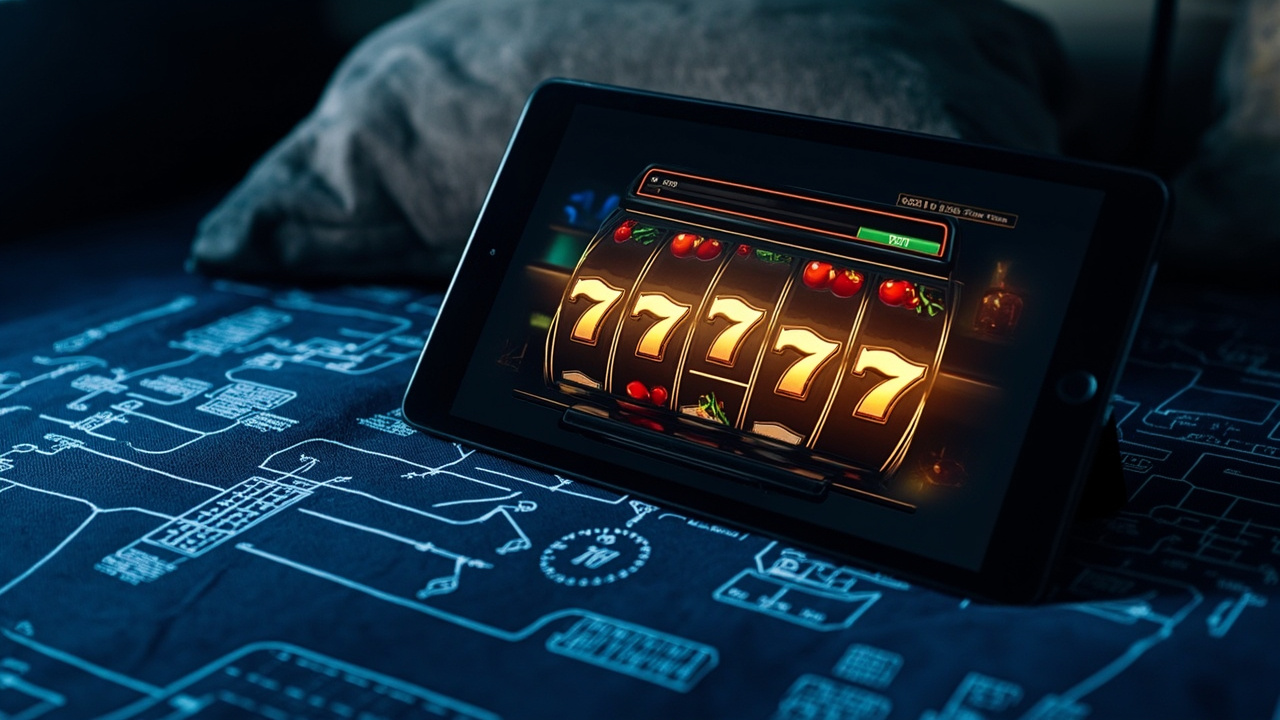
Live tables do not run on a single global clock; they follow dealer rotations, studio schedules, and the flow of players across time zones. That means a session that feels brisk at lunch can slow down by the time Western Sydney is settling in for the evening. I have spent years reading operational data across support queues and incident logs, and the pattern is familiar: peak traffic spikes raise latency, stretch response times, and occasionally push a player into a rushed decision. The same kind of triage thinking I use when bridging banking outages and technical support tickets applies here - you do not wait for a problem to surface, you shape the conditions before it does. If you prefer a calmer pace, the late morning or early afternoon window usually offers smoother streams and shorter queue times, while the busiest stretches tend to cluster around pub closing hours and the first hour of the night shift. Faro was once the most popular gambling game in the American Old West, more so than poker, and those old tables drew crowds because the room had momentum; live lobbies work the same way, only now you can choose when to step in. A pit boss supervises a group of gaming tables, called a pit, and that old supervision model still echoes in how studios manage table load, dealer breaks, and backup coverage. The practical takeaway is simple: pick a window that suits your temper, not the crowd’s.
Controls, support and the room you actually want
A solid live setup should give you account controls that you can set once and forget, not a maze of toggles you only notice after a long session. Registration should be straightforward, the payment options should show their currency upfront, and the bonus terms should spell out wagering clearly so you know what you are signing up for. I judge these things the same way I judge a support handover in a global team: if the handoff is messy, the incident response will be slower, and the same logic applies when a payment stalls or a verification request lands in the wrong queue. The knave was renamed "jack" partly to avoid confusion with the king, and that kind of clean naming matters in a lobby too - clear labels, clear limits, clear paths to help. When you are comparing rooms, look for visible responsible-play tools, a privacy stance that does not hide behind vague wording, and a support channel that answers in a timeframe you can actually live with. If you want a quick check on which rooms publish their licence details and support paths without the usual smoke, you can start with a read over at luckyelf and then compare that against what the lobby itself shows. No worries if you like a busier table, but the room should still let you set a session limit before the first deal, because the best time to play is the time you can afford to finish calmly.
A quick conversation on timing and fit
I asked a live operations adviser how they think about timing for Australian players, and the answer was less about a magic hour and more about matching the room to the person. "People talk about peak hours like there is a secret window," they said, "but the real question is whether the table pace suits your bankroll and your patience." That line landed because it matches what I see in incident data: a rushed player in a packed lobby is more likely to hit a stream glitch, a delayed confirmation, or a support ticket that takes longer to clear. The adviser also pointed out that a steadier room does not mean a dull one - it means the dealer cadence is consistent and the support coverage is actually there when you need it. For a Western Sydney evening session, that usually means checking whether the studio you are entering runs its busiest rotation or its steadier one, and making sure your account limits are already set before you join. The verdict is straightforward: if you want a live session that feels controlled rather than chaotic, choose a room with clear support, visible controls, and a time slot that matches your routine, because the best time to play is the one that leaves you clear-headed when the cards are done.

- Pit: the group of gaming tables supervised together under one team.
- Pit boss: the person who oversees that group of tables and their coverage.
- Knave: the playing-card rank later renamed jack to reduce confusion with the king.
- Responsible-play tools: account settings that help you limit deposits, losses, or session length.
Timing a live session is really about matching the room to your routine and your limits, not chasing a mythical peak hour. Pick a lobby with clear support, visible account controls, and a pace that suits your day, then settle in when the stream feels steady and the crowd is not rushing you.

Copyright © 2026 Bank Bima Pratidin. All rights reserved.
 প্রিন্ট করুন
 সেভ করুন